People search for an air purifier when the home smells musty or someone wakes up sneezing. The purifier helps with the air; it does nothing about the cause. Mould spores need a damp surface to grow on, and in a UAE summer the surfaces are damp.
What each machine removes
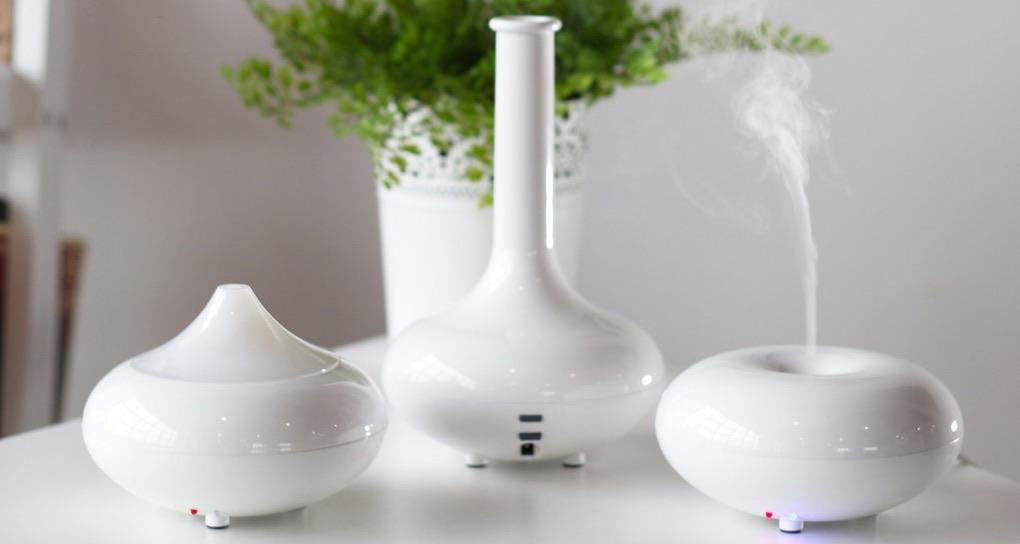
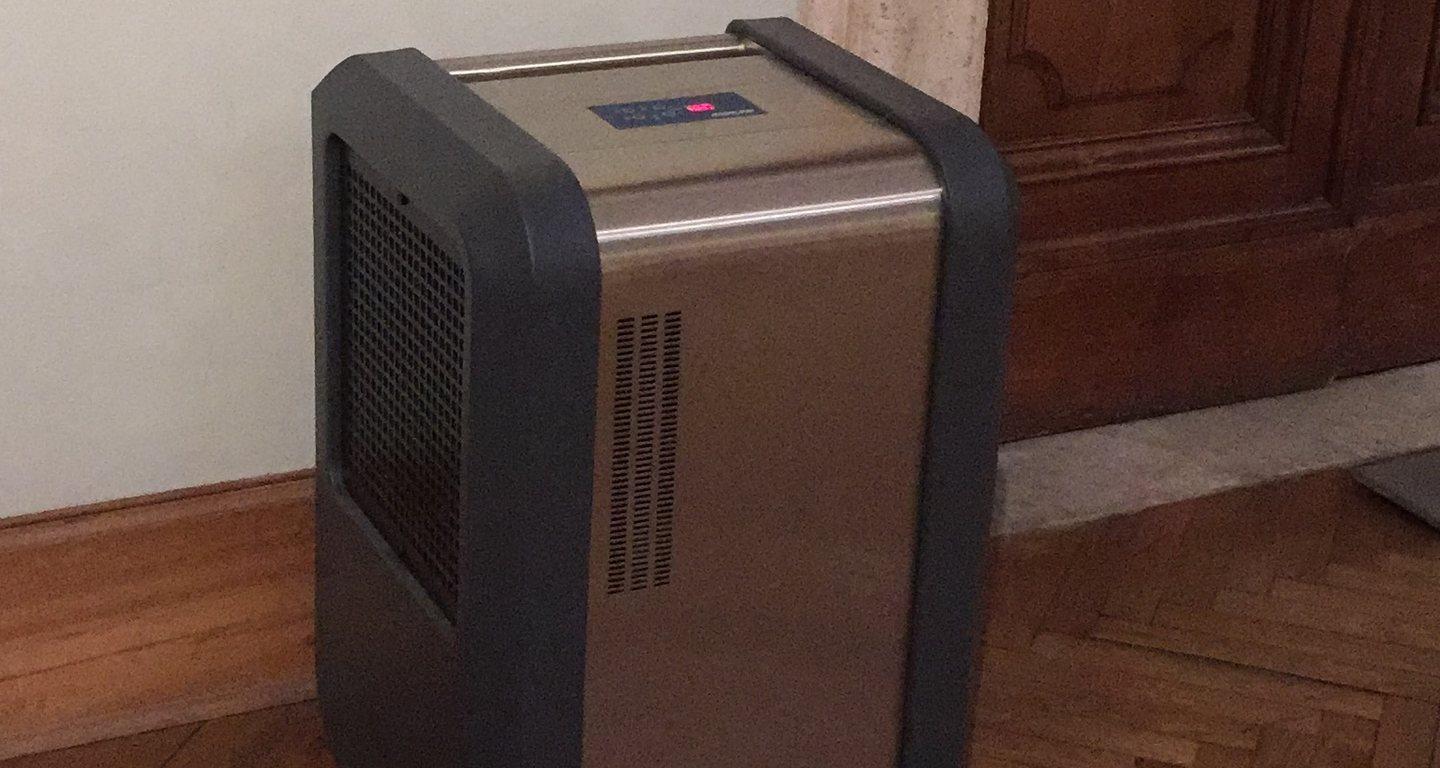
An air purifier draws room air through a fine particle filter. It captures dust, pollen, spores and some odours that are already airborne. A dehumidifier cools air over a coil, condenses the water out and returns drier air.
Why filtration alone does not stop mould
Mould grows on walls, inside wardrobes and on AC coils once relative humidity holds above 60%. A purifier beside a mouldy wardrobe filters spores all day while the colony keeps growing an arm's length away. UAE reviewers make the mirror point: no machine removes mould that has already grown, so remediation comes first and humidity control keeps it from returning.
Allergies: the order of operations
Dust mites and mould spores both rise with humidity. Holding 45 to 55% removes the conditions they need; filtration then clears what is airborne. Residents with mould allergies described waking up choking, with puffy eyes, in flats reading 64 to 70%.
One ducted unit for both jobs
A ducted dehumidifier with integrated filtration passes the dried air through fine-filter and carbon stages before it reaches the rooms. See air filtration and indoor air quality and the systems that carry it.
Key points
- An air purifier catches spores, dust and pollen already in the air; it does not stop mould growing.
- Mould grows on surfaces above 60% relative humidity, so filtration alone does not fix a damp home.
- One ducted unit can dry the air and pass it through multi-stage filters in the same airflow.
Where this applies