Systems · UAE
Four ducted systems, one air-quality platform.
Recirculating, fresh-air with heat recovery, high-capacity and fresh-air treatment. Every unit sits above the ceiling, runs on its own ducts and filters the air it dries. We survey, size, install and service them across the UAE.
Site survey · sizing · installation · maintenance, UAE-wide
Pick a system
Four jobs, four units.
Start with the air: is the space sealed or ventilated, how big is the moisture load, and does it need outdoor air? Each tab says who the system is for. A survey settles the rest.
Series R
Recirculating ducted dehumidifier
Whole-house humidity control for villas and apartments that already have a fresh-air supply.
Dries the air already in the home and sends it back through its own ducts. Humidistat control, plumbed drain, three filter stages.
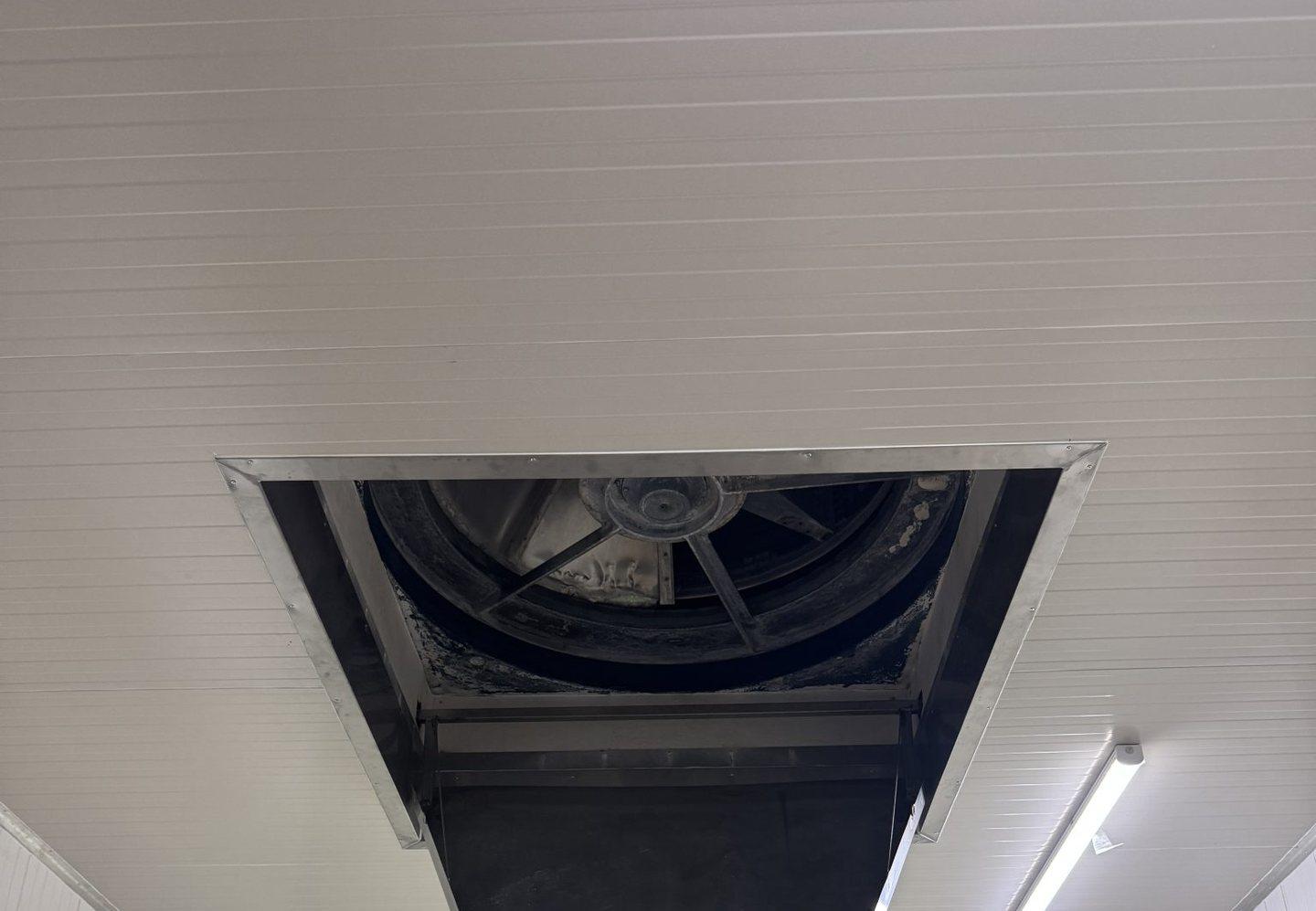
Series F
Fresh-air dehumidifier with heat recovery
Filtered fresh air, exhaust, energy recovery and dehumidification in one concealed unit, for sealed villas and apartments.
Brings in filtered outdoor air, dries it, exhausts stale air and recovers energy from the exhaust. For homes the AC cannot dry.
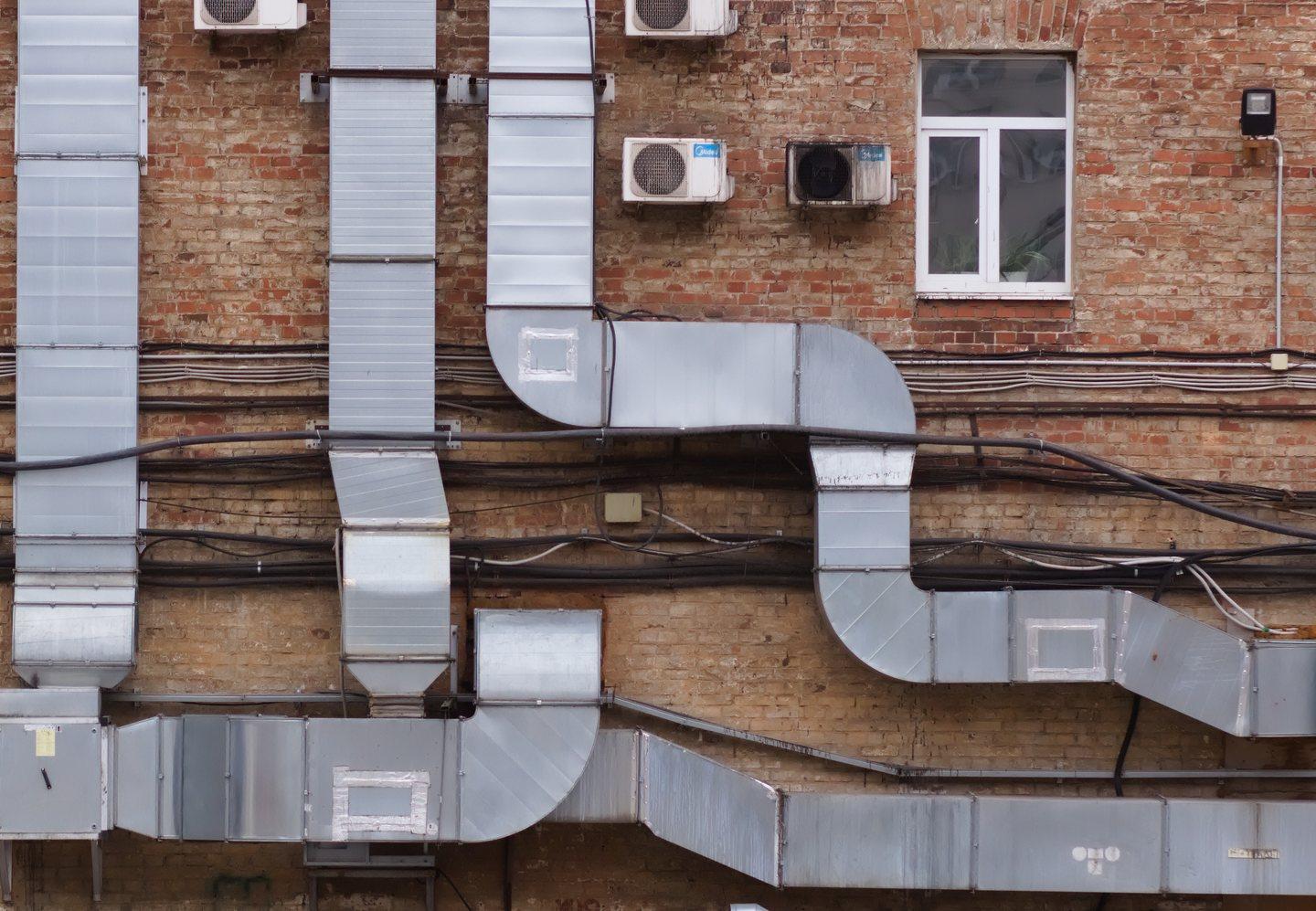
Series H
High-capacity ducted dehumidifier
Industrial and commercial moisture loads: hotels, warehouses, indoor pools, showrooms and server rooms.
For large volumes and continuous loads. Plant room or large ceiling void, sized to the measured moisture load, integration reviewed per project.
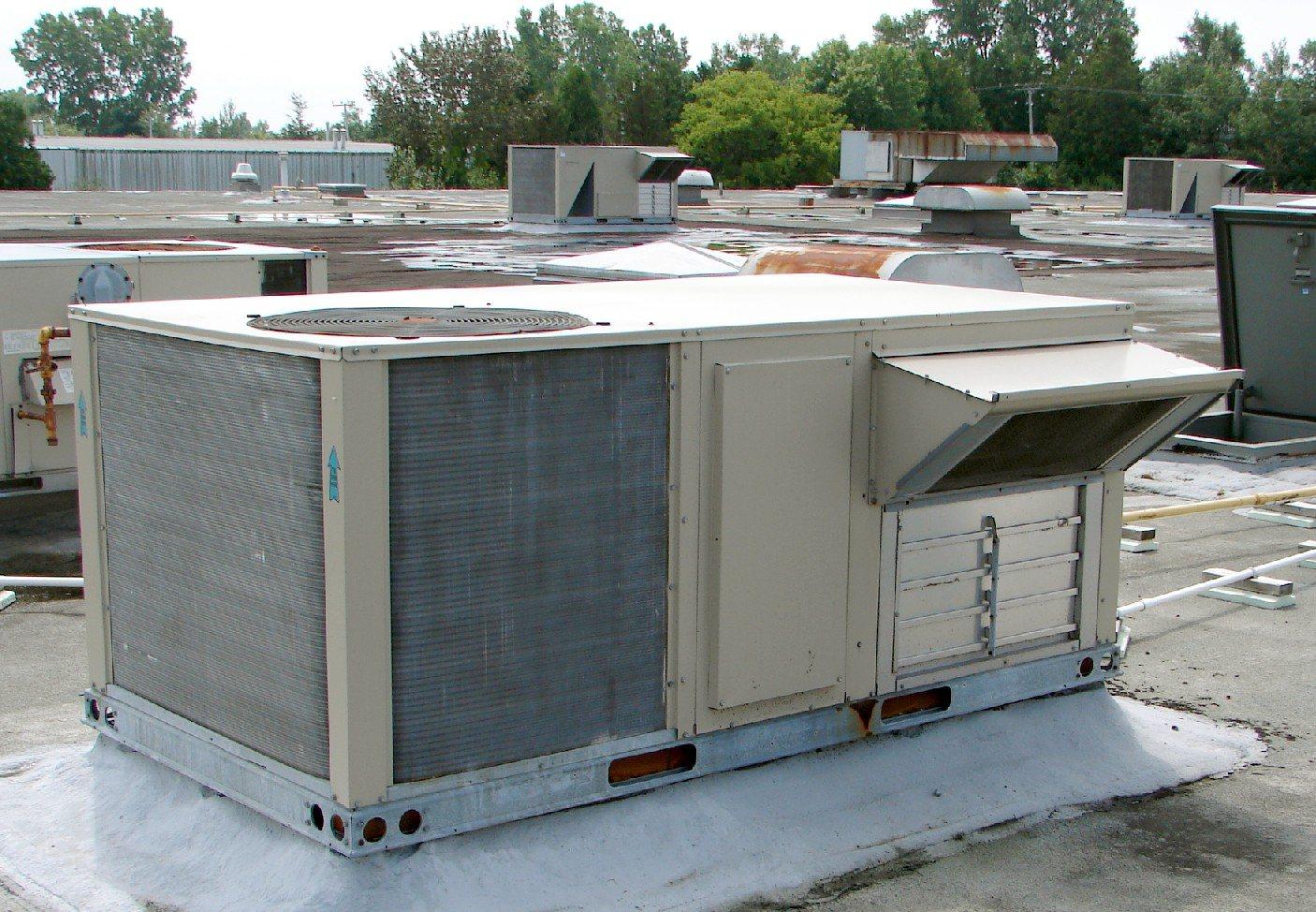
Series T
Ducted fresh-air treatment unit
A ceiling-mounted fresh air handling unit that filters, dries and supplies outdoor air, with its own exhaust path.
Treats the fresh air before it reaches the rooms: filters, dries, supplies, exhausts. For offices, hotels and villas with high fresh-air demand.
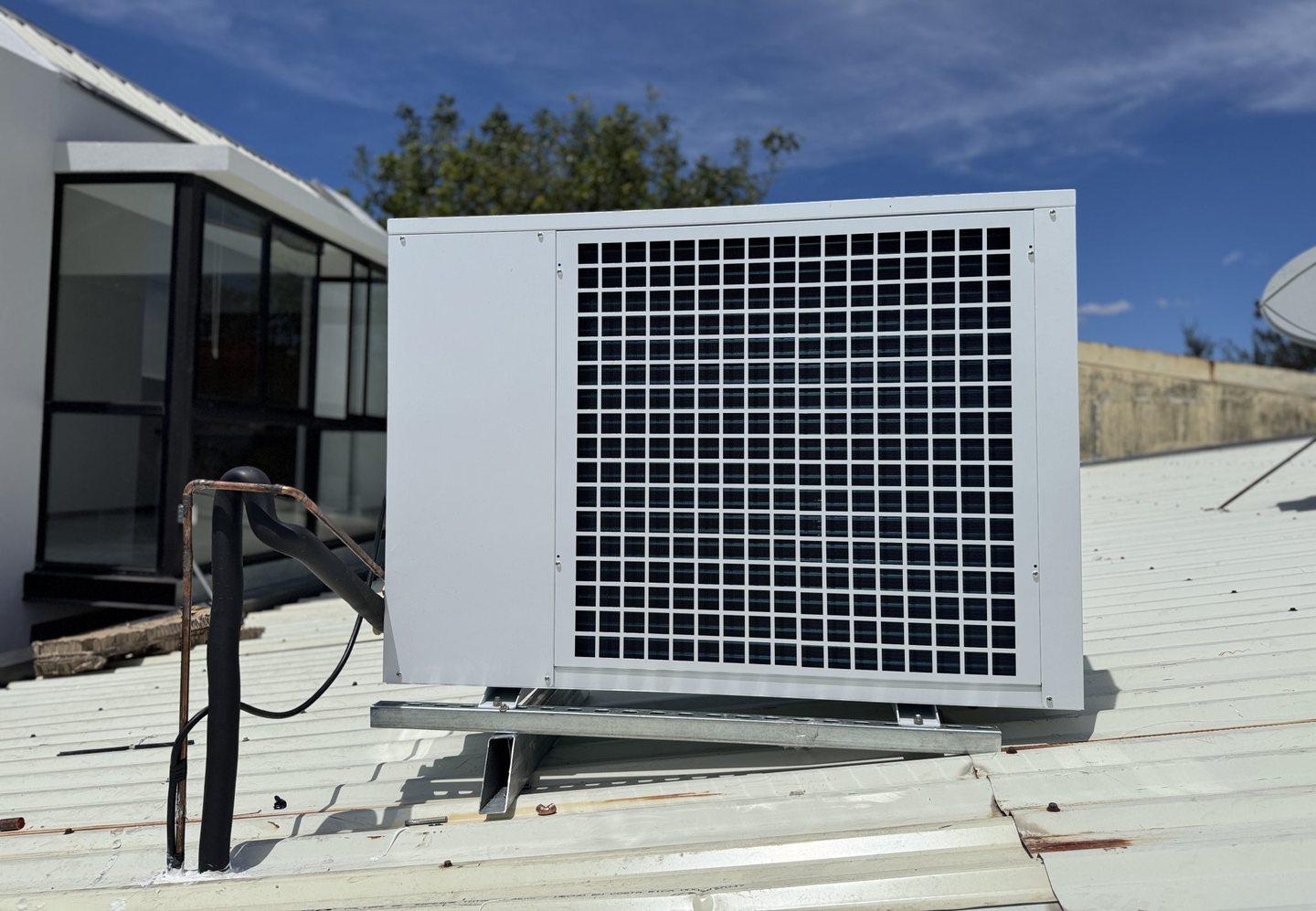
The range
Four ducted systems. One filtration platform.
The same three filter stages on every unit, the same wall controller, the same survey-first process. What changes is the air path and the capacity.
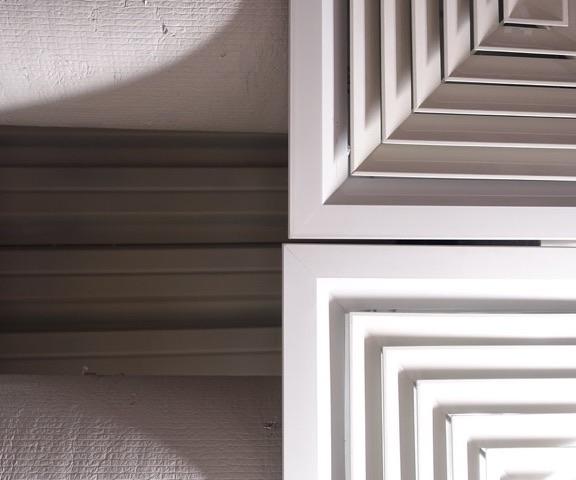
Series R
Dries the air already in the home and sends it back through its own ducts. Humidistat control, plumbed drain, three filter stages.
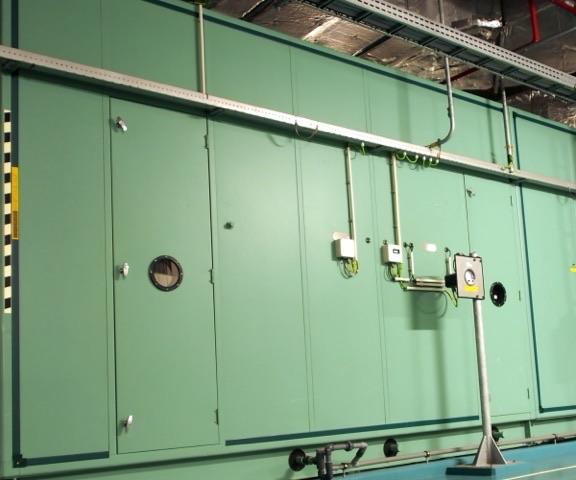
Series F
Brings in filtered outdoor air, dries it, exhausts stale air and recovers energy from the exhaust. For homes the AC cannot dry.
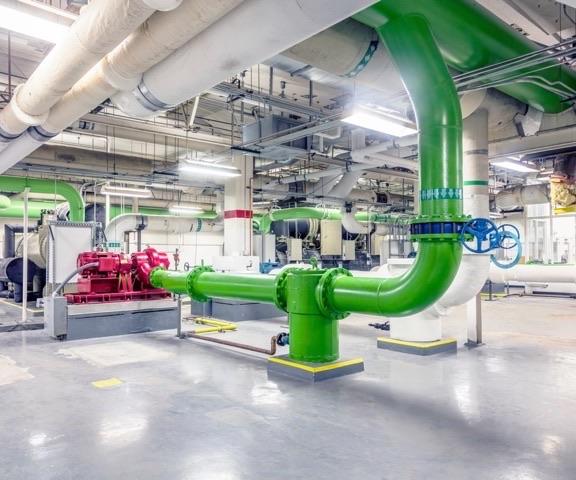
Series H
For large volumes and continuous loads. Plant room or large ceiling void, sized to the measured moisture load, integration reviewed per project.
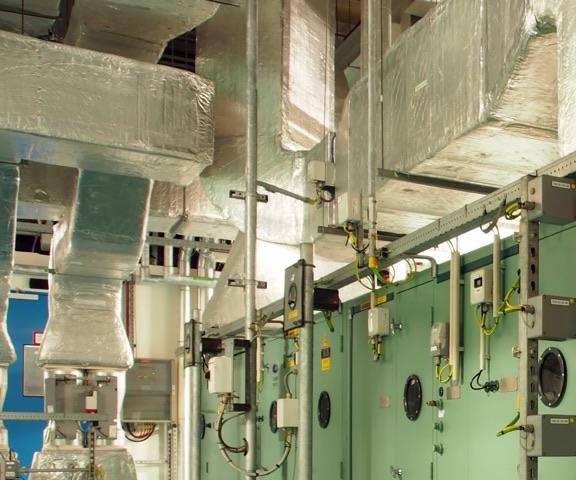
Series T
Treats the fresh air before it reaches the rooms: filters, dries, supplies, exhausts. For offices, hotels and villas with high fresh-air demand.
On every system
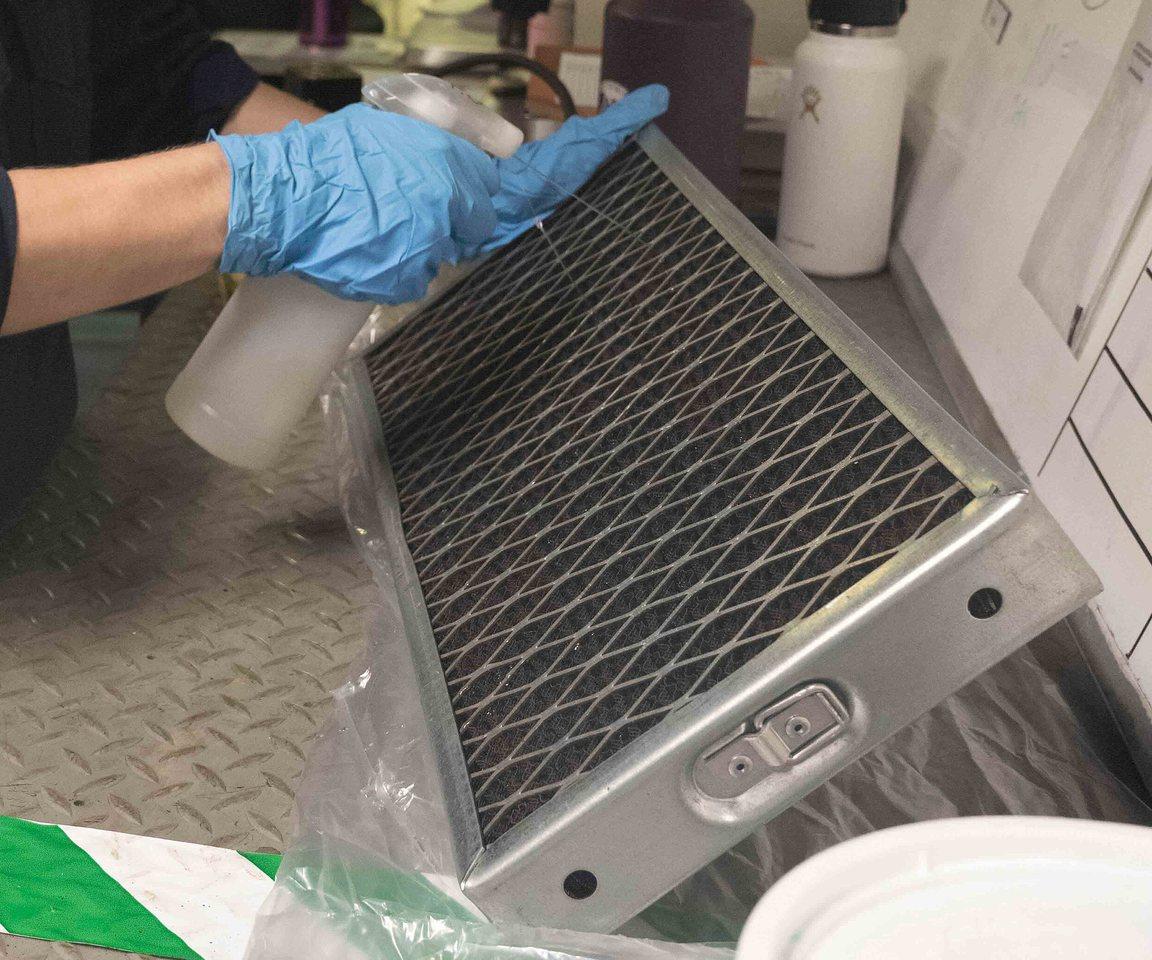
Three stages on every unit: a washable pre-filter, a fine-filter stage and activated carbon. The air comes back drier and cleaner.
Also in the range
Two units that do not dehumidify, for fresh air and for dust.
Series V
Balanced supply and exhaust with energy recovery and three filter stages for new builds and renovations. No dehumidification: pairs with Series R.
Series A
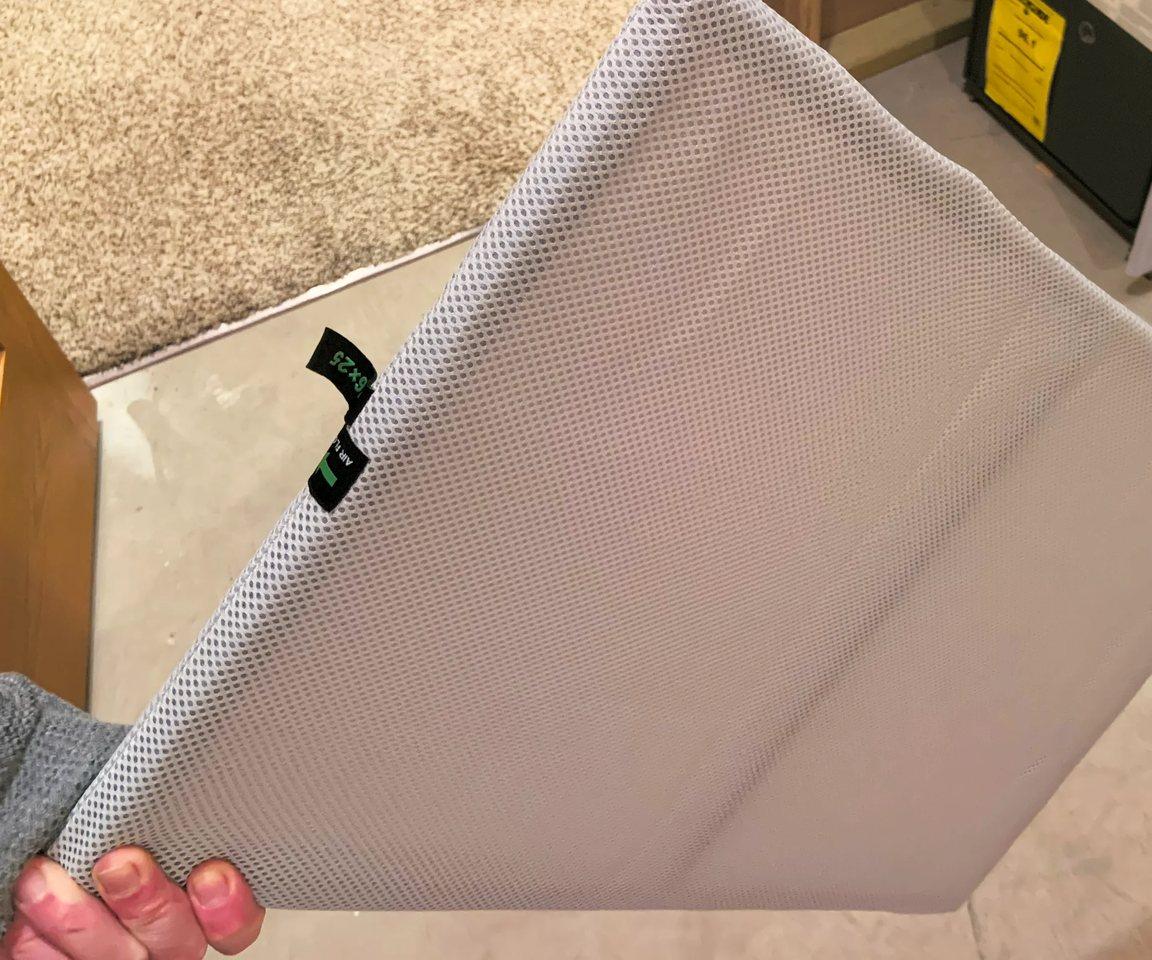
Washable pre-filter, ionising section and collection plates at the AC return, sized to the return-air flow. For dust, not humidity.
Compare
Compare the four at a glance
What each system does, side by side. The full comparison adds the published figures and a four-step way to narrow it down.
| What it does | Series RRecirculating ducted | Series FFresh-air + heat recovery | Series HHigh-capacity | Series TFresh-air treatment |
|---|---|---|---|---|
| Removes moisture from the air | Yes | Yes | Yes, large loads | Yes, the incoming air |
| Brings in outdoor air | No, recirculates | Yes | Per project | Yes |
| Recovers energy from the exhaust air | No | Yes | No | No |
| Has its own exhaust path | No | Yes | Per project | Yes |
| Filters the air it handles | Yes, three stages | Yes, three stages | Yes, three stages | Yes, three stages |
| Where the unit sits | Ceiling void | Ceiling void, near an outside wall | Plant room or large void | Ceiling void, near the intake |
| Typical spaces | Villas, apartments with a working fresh-air supply | Sealed villas and apartments, hotel rooms | Warehouses, hotels, pools, showrooms | Offices, hotels, villas with high fresh-air demand |
| Often paired with | Series T or V for fresh air | Series R on large floors | Existing HVAC, after review | Series R for the recirculated air |
Questions people ask before they choose
Answers in plain words; the full list is on the FAQ page.
What is a ducted dehumidifier?
A dehumidifier installed above the false ceiling or in a plant room and connected to its own return and supply ducts. Room air is drawn in through a grille, dried and filtered inside the unit, and returned through supply grilles. Only the grilles and a wall controller are visible.
Does it connect to my AC ducts?
No. Every system runs on dedicated return and supply ducts and is never connected into the AC ductwork. The AC keeps controlling temperature; the dehumidifier holds the humidity you set.
Which of the four systems do I need?
It depends on three things: whether the space is sealed or has a working fresh-air supply, how large the moisture load is, and whether outdoor air has to be brought in. Series R recirculates and dries the air already in the home. Series F adds filtered fresh air with heat recovery. Series H handles large volumes such as warehouses, hotels and pools. Series T treats outdoor air before it reaches the rooms.
A survey decides; floor area alone does not.
How many litres a day do I need?
Rated capacity is measured at 30 °C and 80 % relative humidity, so the figure on a datasheet is higher than what a unit collects in an air-conditioned room. We size from the moisture load: occupancy, showers and kitchens, the fresh-air rate, glazing and how airtight the building is. The quote states the unit and the reasoning.
Does it also filter the air?
Yes. Every unit carries a washable pre-filter, a fine-filter stage and an activated-carbon stage in the airstream. Filter grades and replacement intervals are listed on each system's datasheet.
Does it remove mould that is already there?
No. Existing mould needs remediation first. The system then keeps the humidity at a level where it does not come back, and the filtration deals with spores in the air afterwards.
Who installs it and how long does it take?
Our team or a trained partner, in four steps: site survey with humidity readings, design and sizing, installation of the unit, ducts and drain, then commissioning with a readings report. The time on site depends on duct routes and ceiling access; the quote states it for your property.
What does a system cost?
Price on request. A system is quoted after the survey because the unit size, duct runs and drain route differ from one property to the next. The pricing page explains what changes the price.
For consultants and MEP contractors
Datasheets, sizing method and installation requirements, in one place.
The pages a specifier needs. Downloadable datasheets, duct spigot drawings and BOQ text are added as the supplier publishes them.
Datasheets and BOQ text
Published figures per model, duct spigot drawings and copy-ready BOQ descriptions through the partner desk.
Sizing method
Moisture load, not floor area: occupancy, wet rooms, fresh-air rate, envelope and setpoint.
Installation requirements
Ceiling void, access, duct routes, condensate drain, power and controls, step by step.
What changes the price
Unit size, duct runs, drain route and commissioning scope. Quotes are itemised.
Not sure which system? Send the floor plan.
We reply with the system that fits and what the survey will check. No charge for the first call.