A dehumidifier removes water vapour from the air and holds a room at the humidity you set. It does not cool the room and does not clean mould that has already grown.
How it works, step by step
- A fan draws room air into the unit.
- The air passes over a refrigerated coil and cools below its dew point.
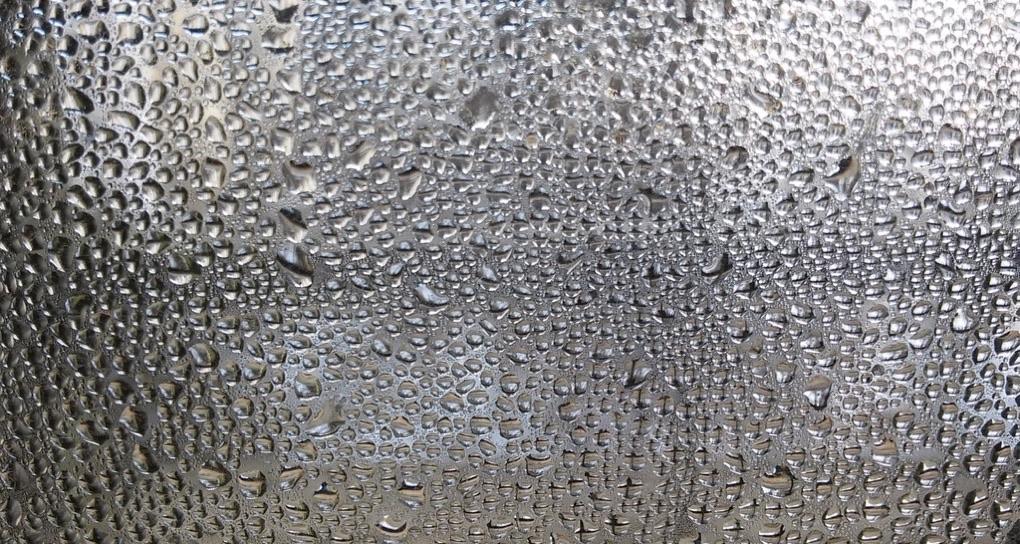
- Water condenses on the coil and runs into a tank or a drain line.
- The air picks up a little heat on the warm side of the circuit and returns to the room drier.
- A humidistat switches the compressor off when the set level is reached.
Refrigerant or desiccant
Refrigerant units use a compressor and work best in warm air, which UAE homes have year-round. Desiccant units use a moisture-absorbing wheel and suit cold rooms such as cold stores.
What the litres per day mean
A rating such as 20 L/day is measured at 30 °C and 80% relative humidity. In a room cooled to 24 °C the same unit removes less, so the tank fills slower than the rating suggests.
Portable or ducted
A portable sits in one room and collects water in a tank that can fill in under a day in peak summer. A ducted unit sits above the false ceiling or in a plant room, treats every room through its own ducts and drains to waste. See how a ducted system is installed.
Key points
- Moist air passes over a cold coil; the water condenses, drains away and drier air returns to the room.
- Rated capacities such as 20 L/day are measured at 30 °C and 80% RH; an air-conditioned room yields less.
- Portable units collect water in a tank; ducted units are plumbed to a drain and hidden in the ceiling.