Dubai's humidity is a summer problem with two peaks. UAE media quoting the National Center of Meteorology name June and September as the worst months (September is nicknamed "Sweat-tember") and put the average maximum relative humidity in August at 72%, with coastal readings between 70 and 95%.
The month-by-month table
| Month | Mean RH | Dew point | Indoors without dehumidification |
|---|---|---|---|
| January | — | — | Usually comfortable |
| June | — | — | First peak; above 60% overnight |
| August | 72% max (NCM, as cited) | — | Worst month indoors |
| September | — | — | Second peak |
Dew point, in one paragraph
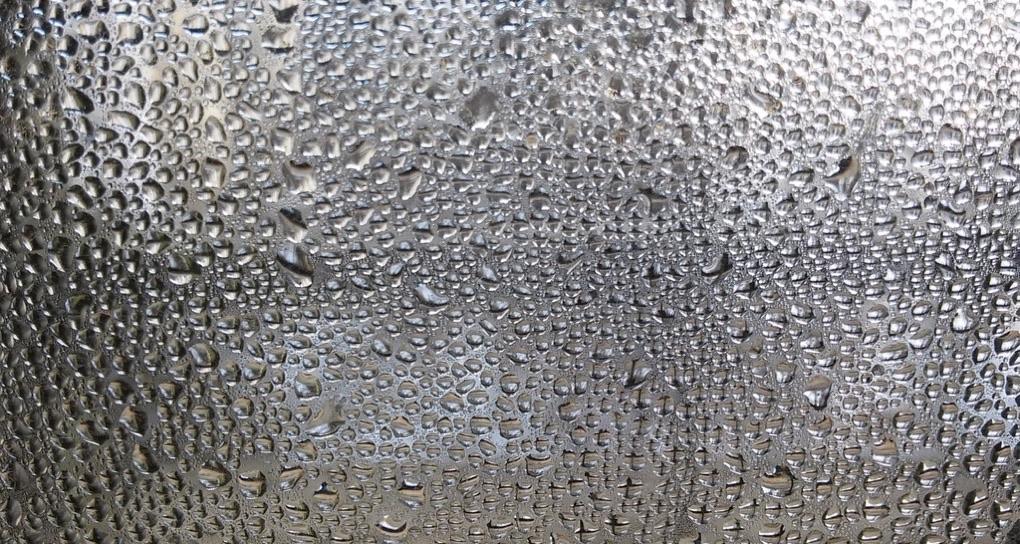
Relative humidity moves with temperature; dew point does not. Any surface cooler than the dew point sweats: glazing at dawn, AC diffusers, the back of a wardrobe on an exterior wall.
Why the daytime number misleads
An afternoon forecast of 45% can hide 60% overnight, where moisture problems quietly begin.
Why the AC is not enough
The AC removes some moisture while it cools, then stops at the set temperature; in a sealed home the humidity creeps back within hours. If your hygrometer reads above 60% at dawn in July, read why your house is humid with the AC on and what a ducted dehumidifier changes.
What to aim for indoors
45 to 55% relative humidity, every month. Above 60% mould and dust mites take off.
Key points
- June and September are the two humid peaks; August averages 72% maximum relative humidity (NCM figure as cited by The National).
- Daytime readings of about 45% hide 60% overnight, which is where moisture problems begin.
- Indoors, aim for 45 to 55% RH all year; above 60% mould and dust mites take off.
- AC cools the air but cannot hold a set humidity, so sealed homes stay damp in summer.