Why glass and vents sweat
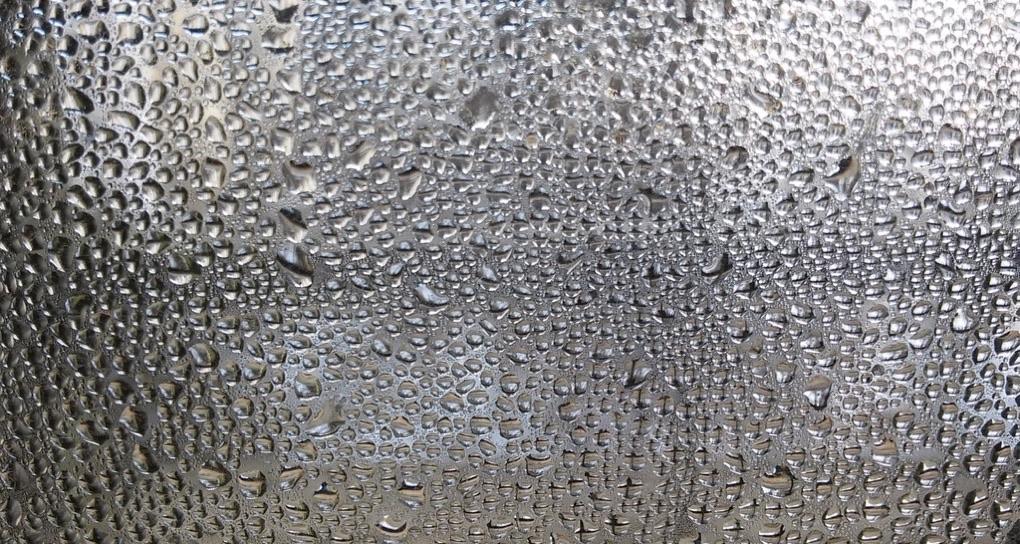
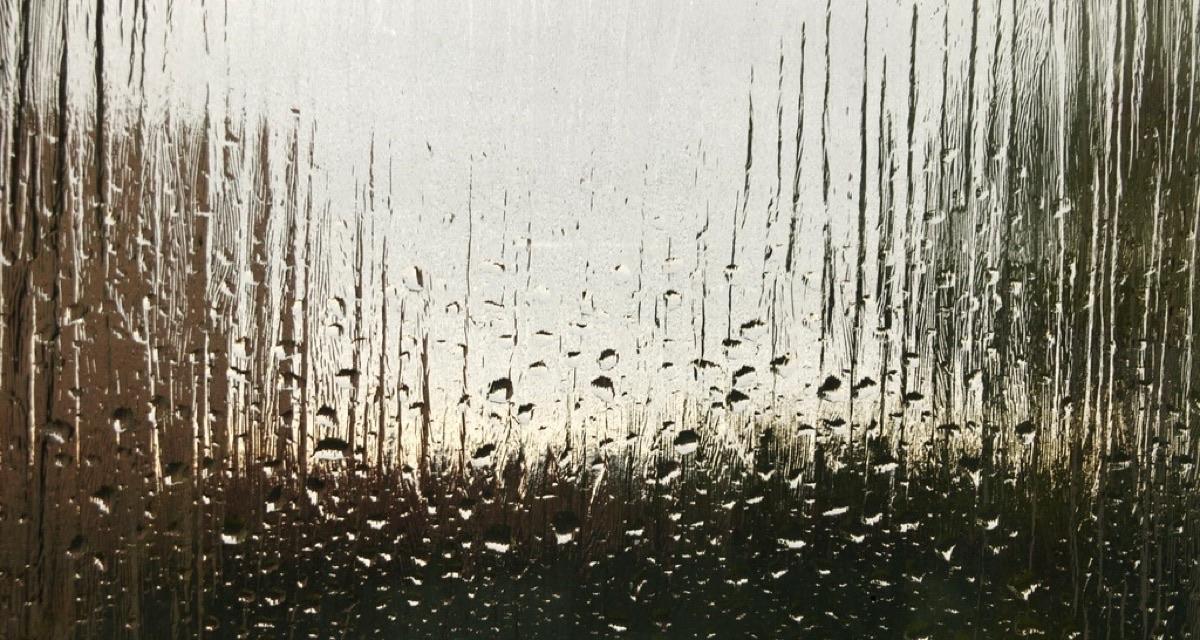
- Air holds a fixed amount of water at each temperature. When humid room air meets a surface colder than its dew point, water drops out: on the window at dawn, on a metal diffuser.
- At 26°C and 60% relative humidity the dew point is about 18°C. AC supply air is colder, so the diffuser face sweats.
Why it happens so much in Dubai
- Coastal outdoor air reaches 90–100% humidity in summer (NCM figures reported by The National and Khaleej Times). Every opened door brings it in.
- The supply grille is cold metal, the ideal condensing surface. One tenant's inspection measured 88.5% humidity at the supply vent: the AC was supplying the moisture.
- Sealed double-glazed flats keep shower and cooking moisture indoors.
What it does to gypsum
- Drips from diffusers stain and soften the board. A brown ring around a vent is condensation, not a roof leak. Left alone the board sags and mould grows in the void.
The fix
- Short term: wipe surfaces, run dry mode on the worst nights, insulate exposed duct runs.
- Lasting: hold indoor air at 45–55% so its dew point stays below every surface. That is what a ducted dehumidifier for mould and condensation does, around the clock.
Where this applies