Why lower floors stay damp
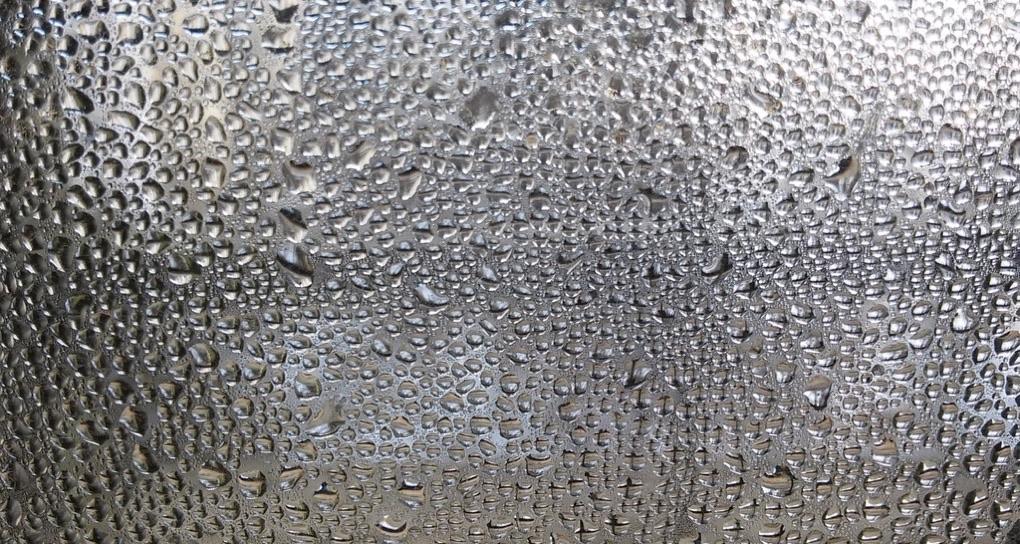
- Cooler surfaces: a basement or ground-floor slab sits against the ground and stays several degrees below the upstairs rooms. Air that is comfortable upstairs is closer to its dew point downstairs, so walls, floors and cupboard backs sweat first.
- Slab and wall moisture: ground water and garden irrigation push moisture through concrete that was never fully waterproofed. One Dubai cleaning firm notes that basements are "naturally more humid and cooler" and retain water.
- Poor airflow: closed kitchen cupboards, store rooms and corners under the stairs get little conditioned air.
What it looks like
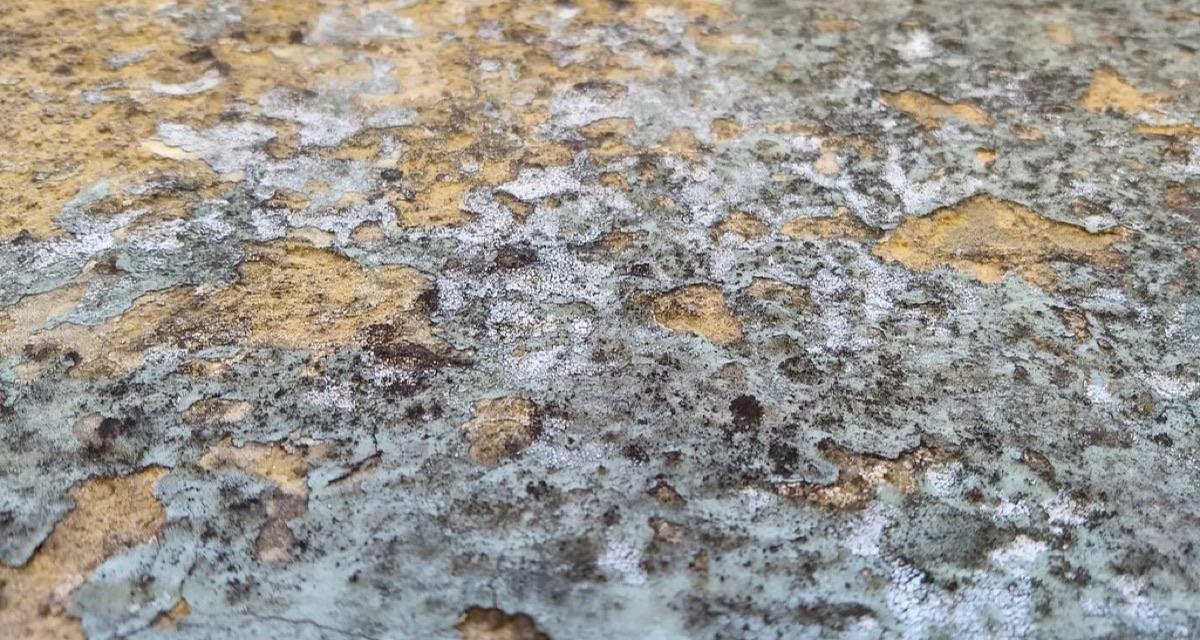
- Kitchen cupboards that reek of damp and rot from the back. A family in a rented Dubai villa reported damp across "30 per cent of the ground floor" in one summer.
- White salt lines on plaster and lifting floor tiles.
The fix, in order
- Check and repair waterproofing and drainage; keep irrigation spray off external walls.
- Give dead corners airflow: ventilate cupboards, lift stored items off the floor.
- Hold the lower floor at 45–55% with a ducted dehumidifier for basements sized for the slab's moisture load, not the floor area alone, with a plumbed drain.
Where this applies